

The beginning of a new semester brings different forms of stress to college students. Many times, these experiences are widely shared, but rarely discussed. Because of this, PLNU encourages students to know their resources and support systems offered regarding mental health. Every September marks the beginning of National Suicide Prevention Awareness Month, and the beginning of classes at PLNU. This serves as a reminder to prioritize mental health and acknowledge those who may be suffering from suicidal thoughts.
The youth suicide rate in San Diego County has a comparatively higher rate for the state of California, according to a study done by Derek Tam. San Diego County’s rate as a whole was 11 per 100,000 in 2023, slightly higher than the statewide rate of 10.8%. Suicide is the second-leading cause of death among U.S. college students, with an estimated 1,100 students passing by suicide annually and nearly 24,000 attempt it, according to the National Institute of Health.
PLNU’s counseling center offers several ways students can meet their needs regarding mental health. The center is led by three LMFTs and four clinical counseling students under supervision, providing services to the undergraduate student population.
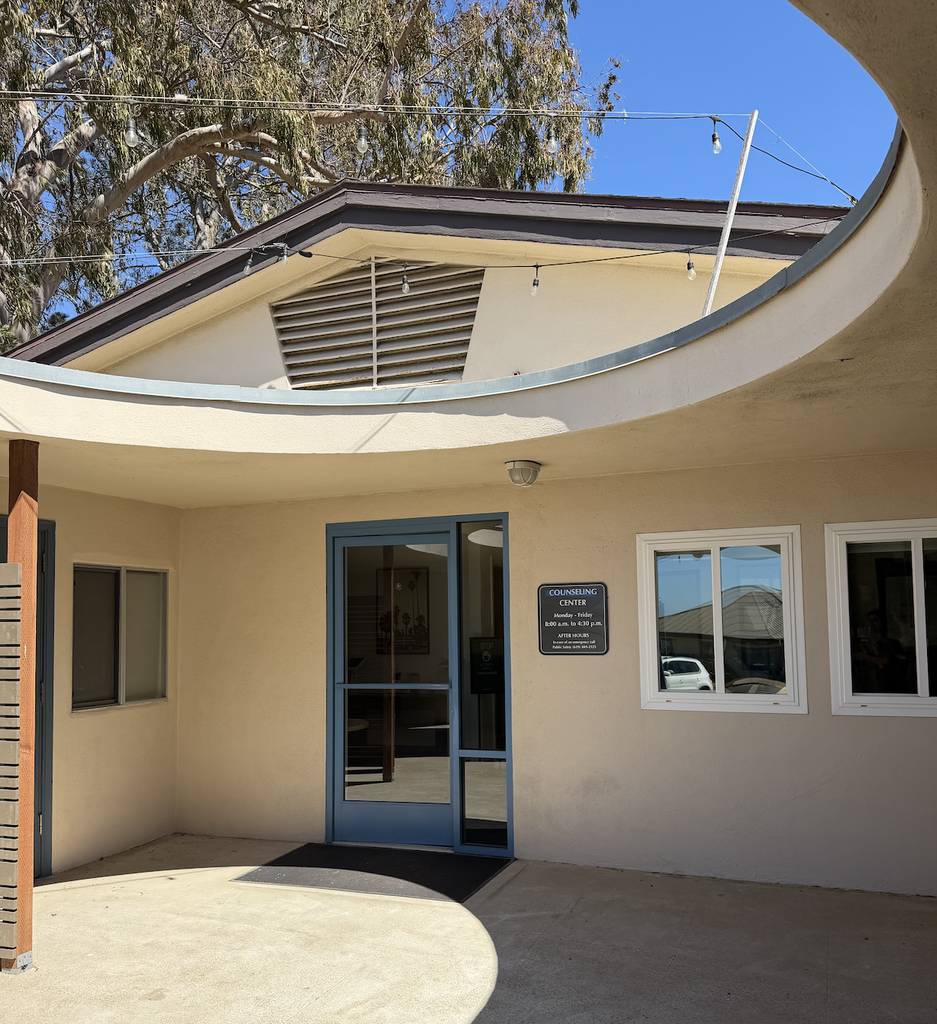
Students are also able to meet with an offsite therapist, or schedule a telehealth appointment inside the counseling center by reserving a room using the link posted on their Instagram account, @plnucounseling, as Julie Westburg, the counseling center coordinator, shared.
“We operate off of a brief counseling model, addressing concerns like anxiety and stress and relationship issues,” Westberg said. “If students are dealing with more long-term issues, we’ll work with a student to help refer them out to a provider outside of our offices that can help meet their needs better.”
The counseling center does not offer peer-counseling services, where people with shared life experiences have faced similar challenges, and those who have been successful in the recovery process, are able to give support and guidance to one another. However, there are therapeutic groups and workshops available.
“The therapeutic groups are led by our licensed mental health counselors, and we also collaborate with the master’s level students that are also clinical,” Westburg said. “The nature of the group isn’t for the students to be offering each other, but in a group there’s discussion that happens and learning that occurs from one another, but they’re facilitated and led by our professionals.”
While group discussion is a beneficial way for students to feel seen and supported, counselors say that stigma against mental health is still a challenge.
Bucky Bateman, a clinical supervisor and therapist at PLNU, mentioned that while counseling is more accessible than in past years, there still continues to be “secretiveness around feeling broken.”
“We live in a culture, especially higher education, that makes it tough,,” Bateman said. We have a lot of high performing people, and so admitting that ‘I’m having a problem,’ I think it is some of the biggest challenge for some people.”
To Bateman, it takes more strength and courage to reach out than for one suffering from a mental health disorder to remain secretive.
“It’s the best thing you can do at times, and it’s normalizing this idea that — I think — 50% of college students have some sort of suicidal ideation at some point,” Bateman said. “It doesn’t mean that you’re bad or that you’re wrong or that you’re failing, and so reach out when you feel like you’re in that spot.”.
Bateman conveyed that oftentimes, students tend to be in their own worlds. Noticing a change in behavior or patterns is a start to being able to support someone. He continued to mention how students should not be afraid to ask the hard questions of if someone is thinking about hurting or killing themself.
“Sometimes, we lean away from those because we’re afraid we’re going to make it worse or amplify it, but actually there’s a lot of relief, and when you see people that are changing and something just feels off leading into that and asking a direct question can be really helpful.” Bateman said.
In light of those who have experienced the loss of a loved one to suicide, or have known somebody who has attempted, support systems and checking in on those who have been affected by suicide is customary.
Bateman mentioned one way was to simply keep them in mind. Oftentimes, by six-months postvention, everyone has moved on and the person affected by the loss is still struggling. Students can support them better by normalizing still being affected by loss and those who have suffered from suicidal thoughts.
“I would just say we’ve all struggled in some way, and so be willing to have the conversations.” Bateman said.
While students often feel as though they have to carry their struggles alone, it is important to remember resources available for students as the school year progresses. Whether these problems are related to relationships, academics, identity issues, or mental health, there are peers and professionals willing to help.
“[Counseling is] respectable, and a good act of self-care to reach out to someone who can assist you–to process through different things.” Westburg said. “I think we can feel like we have to carry things alone, but you have your peers, you have lots of wonderful people on campus, and this is just another resource that’s available.”

 Steve Anderson
  superadmin