

Trigger warning: This article mentions rape and sexual assault.
At Cornell University, a woman identified as Jane Doe filed a lawsuit on Sept. 16, alleging that seven Cornell fraternity members raped her for seven hours on Oct. 19, 2024, after coercing her into taking drugs. Lawyers for at least three of the men have broadly denied criminal wrongdoing.
Doe is suing Cornell, the Chi Phi fraternity,Delta Delta Delta (her own sorority) related chapters, as well as the seven students, a local bar and unnamed faculty and alumni. The suit includes messages from a Chi Phi group chat — the fraternity where the incident reportedly occurred — in which one defendant invited the chat’s 57 members to join in on the alleged assault.
Doe went to campus police about three weeks after the party, and Cornell’s Title IX committee held at least a dozen hearings. The district attorney declined to bring charges, citing insufficient evidence, the New York Times reported, citing the university Title IX records.
The suit also argues that Cornell treated the accused too leniently, alleging they were given the opportunity to “mitigate their conduct by submitting essays to Cornell.”
Doe’s attorney, Thomas Giuffra, said in an interview with CNN that “[Doe] felt like she wasn’t heard and there was no accountability.” He added that she wanted to leave Cornell, but the university declined to refund the tuition her parents paid.
Cornell pushed back. The university said Chi Phi, which shut down in 2024, remains barred from campus. It announced a task force on sexual assault, where they planned to expand prevention programs, education and training, and to make reporting options clearer for students. After the district attorney reopened the case on Sept. 28, Cornell said that “a continuation of the false narrative that there were minimal consequences in this case is irresponsible.”
Two students at PLNU said the case left them uneasy.
“As women, we are always cautious but this has made it worse,” Skye, a second-year psychology major said, who requested her last name be omitted due to privacy concerns.
For others, the concern extends beyond their own precautions to the people around them.
“It makes you scared that if anything were to happen to you, would anyone be willing to help?” Kara, a second-year health science major said, who also requested her last name be omitted due to privacy concerns.
Kara continued, and said that she thinks it’s “disgusting” that Cornell “tried to cover it up,” when she feels it should have been made a public example that this behavior is unacceptable.
This case has raised questions about how universities respond when students report sexual assault. What happens at PLNU?
Danielle Brown Friberg, PLNU’s director of compliance and Title IX coordinator, and Kaz Trypuc, assistant director of the Department of Public Safety, did not comment on the Cornell lawsuit, but they explained how students on this campus can get support and report an assault.
Friberg said students can tell almost anyone, including a faculty or staff member, student leader, counselor, campus pastor, Public Safety or Student Care Office and be directed to her office.
“You don’t have to file a report or complaint or go through a grievance process to receive supportive measures,” Friberg said.
Friberg emphasized that students choose their next steps.
“What happens next is their choice,” Friberg said.
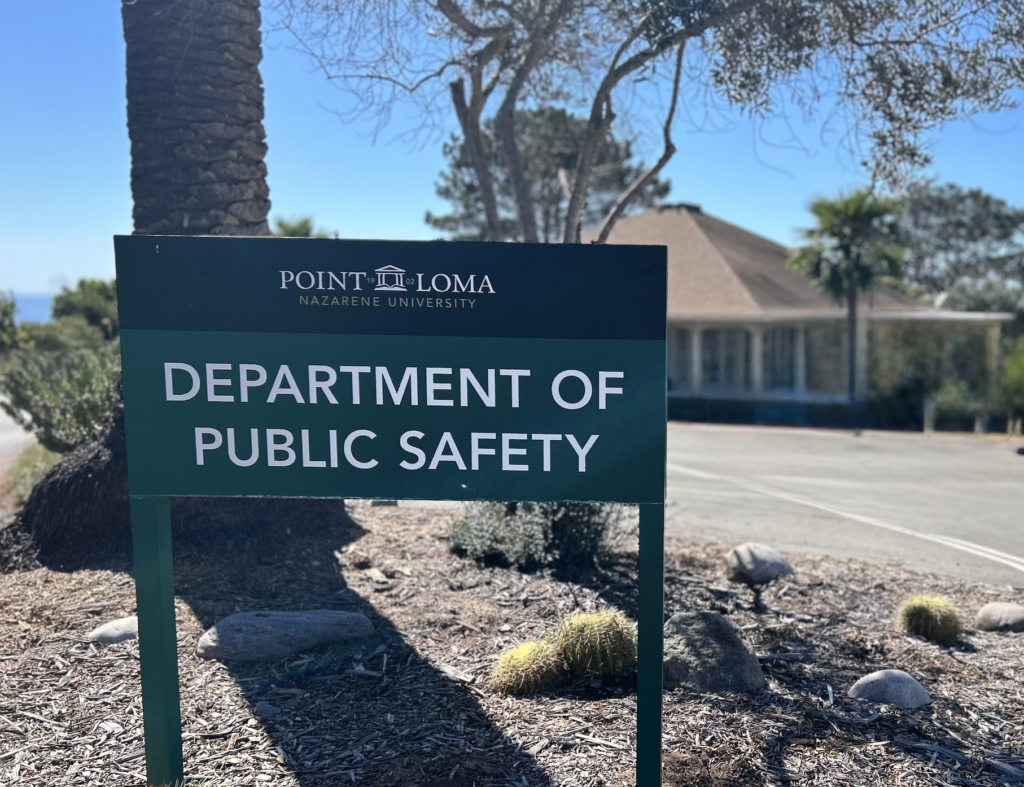
Public Safety is another entry point. Public Safety is a private security team at PLNU, not the police, but often the first department students contact after an assault has occurred. Officers will connect students with law enforcement or EMS if they wish. Trypuc described the department’s role.
“We are here 24 hours a day and want to make sure students know there is a place to go,” Trypuc said.
“They don’t have to follow through on the entire process, but we do encourage students to make a report to keep all their options open.”
Students who do file a formal complaint enter the process that is set largely by law. PLNU’s grievance procedure follows federal Title IX rules and California law, and Friberg warned that it “shouldn’t be viewed as simply the university’s own policy.” The same requirements apply to any federally funded school, including Cornell University.
Doe wished to leave Cornell, but the school refused to refund her. Friberg said no student has explicitly requested a refund, but PLNU offers backdated withdrawal as a supportive measure. It removes classes retroactively so students avoid failing grades and can recover tuition. Participants in a Title IX process also receive amnesty for minor conduct violations such as alcohol use.
Cornell’s case is still unfolding, and its outcome may shape how other universities are judged. For PLNU students, the message from Friberg and Trypuc is consistent: help starts with being heard. Whether a student starts with a professor, a pastor, Public Safety, or the Title IX office, support is available, and the decision about what comes next is yours.

 Grace Chaves