

A$AP Rocky (Rakim Mayers) is back. After an eight-year hiatus, the artist — who boasts over 39 million monthly Spotify users — returned with “Don’t Be Dumb.” Rocky’s album raked in 35.4 million streams on opening day and shows no sign of slowing down as one of rap’s most anticipated albums of the year.
The long-awaited album includes 17 songs, putting it just one song shy of being his longest work since his 2015 album “AT.LONG.LAST.A$AP.”
Rocky’s disappearance was not without tumultuous changes. Many individuals, whether they were fans or not, saw Mayers in the spotlight rather than A$AP Rocky.
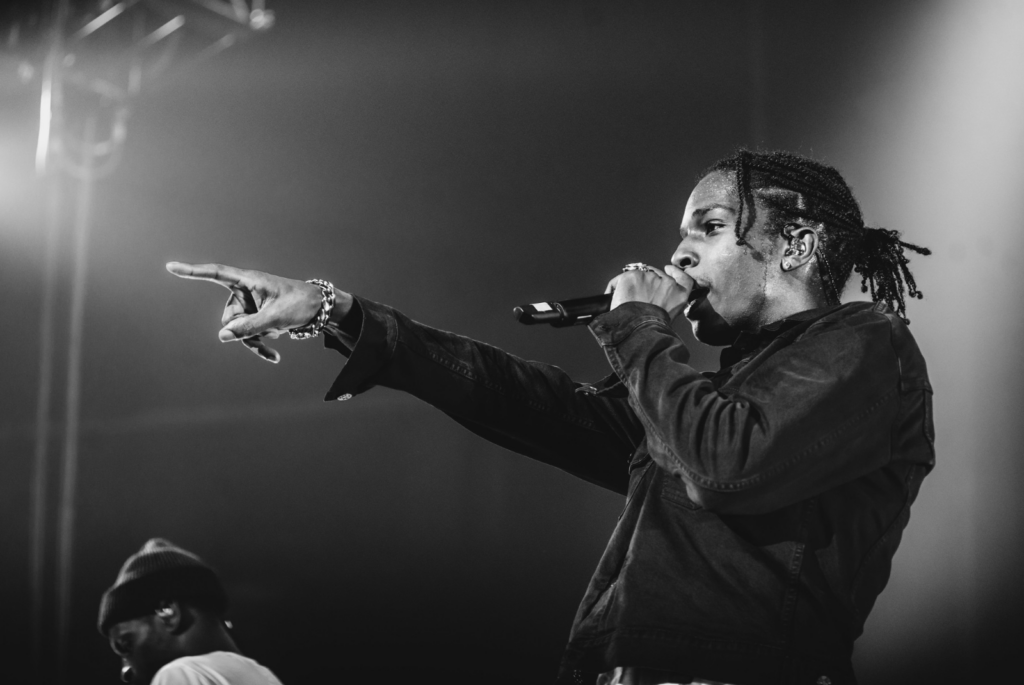
Mayers was found at the front of a courtroom in two trials regarding an assault charge in 2019 and two counts of assault with a semi-automatic firearm in 2021, according to NPR. The verdict being not guilty in the latter case and guilty in the former created a large shift in the demeanour of the 37-year-old rapper, which is palpable in the first song of the album, “ORDER OF PROTECTION.”
What immediately stood out with the album’s opener was the similarity in instrumentals to one of Rocky’s 2016 projects, “Telephone Calls,” in which its recognizable ringtone is heard once again. To me, this feels like Rocky is getting a phone call from his fans, and he is finally ready to pick up the receiver and tell the listener that he is back.
“It’s been a lil’ while since I been in the league / A couple lil’ trials, couple of leaks,” are the first two lines that he spits out, admitting directly that he has been MIA for reasons including the aforementioned trials.
Later in the song, Rocky makes it known that he no longer associates himself with A$AP Mob — the side project that “Telephone Calls” comes from — since his back has “all kind of stabs.” This is a jab at A$AP Relli, one of the members from the project, who falsely accused Rocky of shooting him and causing the 2021 trial to ensue. This song showcases to the audience that Rocky means business with this new album, and it’s evident that he knows he is “still in the lead” in terms of relevance in the music industry.
“HELICOPTER” and “PUNK ROCKY” were the two singles that Rocky produced before the album’s release. Both with alternate covers to the finished product curated by Tim Burton, the singles pay homage to classic ‘90s video games, “Grand Theft Auto” and “PaRappa the Rapper.”
The video game covers reflect the style of music for each song — with a trap beat and grungier elements for the former and a jumpier, pop song that is reminiscent of Rocky’s 2018 single, “Sundress,” for the latter. These songs were released as singles for a reason — both are instant hits and apply to a variety of playlist types.
An element that I especially appreciate is the overall theatrics of the project. The third track is a skit composed solely of dialogue, with scat singing and Wurlitzer keys that transport the listener to a jazz club. “STOLE YA FLOW” finishes with a dramatic female choir harmonizing behind an aggressive outro from Rocky. The song is targeted at both fans and haters, claiming he’s here to tell stories to those who will listen, and he doesn’t owe it to anyone who opposes him. “STAY HERE 4 LIFE” continues the call-and-response jazz style from the skit.
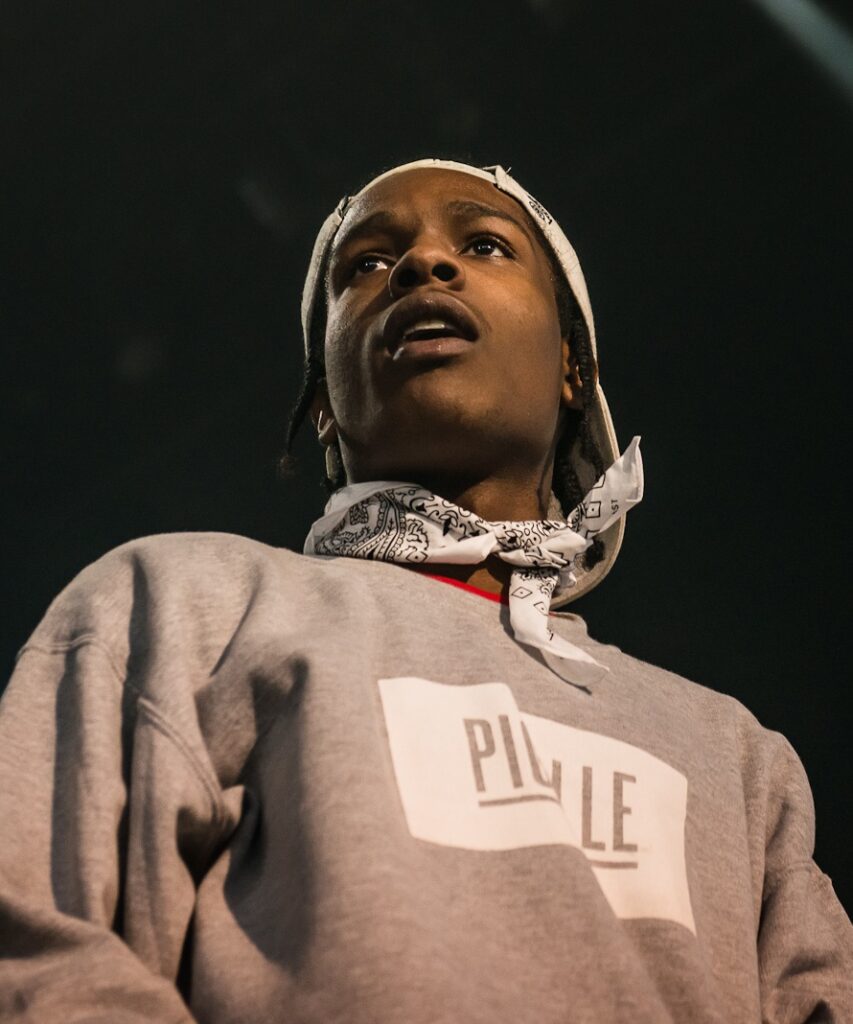
One of my favorite songs that exudes a theatrical performance is “ROBBERY,” where featured artist Doechii and Rocky complement each other so incredibly well as they stage a “robbery” in their dialogue. Smooth jazz takes the reins as verses bounce between the two individuals. It is just perfection.
Disc one ends with “THE END,” which is a reflective piece on how dysfunctional and dystopian the current world is. Issues including that of climate change, addiction and the overall bitter hate people carry are discussed, further emphasized by the repeating chorus “This is the way the world ends,” that morphs into “Look at the way the world ends.”
I was expecting the album to end here, but disc two includes the finishing songs “SWAT TEAM” and “FISH N STEAK (WHAT IT IS)” with some of the strongest artist features on the album, like Gorillaz and Tyler, the Creator.
“Don’t Be Dumb” is special in many facets. One aspect is how much Rocky has changed as an artist and an individual, and the other is how the album respects its predecessors. The album cover’s art, the callback to jazz elements in instrumentation, and the separation into tonal phases of the piece through two separate discs are all essential elements of older albums.
Although not similar in music genre, the way Rocky approached “Don’t Be Dumb” is similar to how Pink Floyd designed their theatrical album, “The Wall.” There was, in my opinion, an obvious inspiration from works of the 20th century that pushed Rocky to go back to traditional storytelling through music. This album does a phenomenal job at breaking boundaries while appreciating its roots.

 Hailey Snyder